How to Use AI and Music to Boost Creativity with Percy Liang, Computer Scientist and Classical Pianist
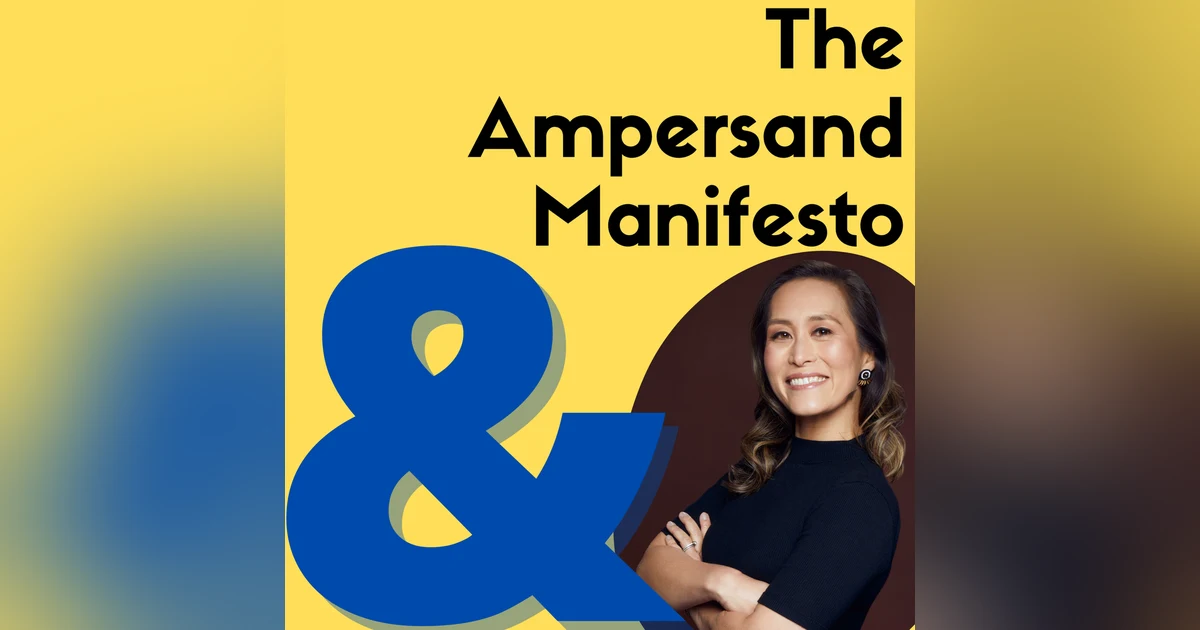


This week, Jessica chats with Percy Liang, Computer Scientist & Classical Pianist. Percy is an Associate Professor of Computer Science at Stanford University. He got his Bachelor's from MIT and Ph.D. from UC Berkeley. His research is on artificial intelligence, more specifically foundation models that can generate text, images, and music. Percy has been playing piano since he was 8 years old. He's won several contests, including the Phoenix Young Musicians Competition, the MIT Concerto Competition, and KDFC's Classical Star Search. He enjoys giving both solo piano recitals and playing chamber music.
You can check out Percy's work at cs.stanford.edu/~pliang
Are you a high achiever, a leader, or an Ampersand who's recently taken on more responsibility at work? Jessica works with people just like you. She coaches individuals and leadership teams to rise to new challenges - with a unique blend of analytical & creative approaches, plus 18 years of invaluable experience working in companies and startups.
Visit jessicawan.com or
BOOK AN INTRO CALL: https://calendly.com/jessicawancoaching/intro-call-coaching
Credits
Produced and Hosted by Jessica Wan
Co-produced, edited, and sound design by Naomi Tepper
Music credit: Liszt Sonata performed on piano by Percy Liang
Theme music by Denys Kyshchuk and Stockaudios from Pixabay
00:00:00,100 --> 00:00:05,600
Finally, I get to think about
how a I especially with the
2
00:00:05,600 --> 00:00:10,800
recent advances and generative
Ai and generative models, how
3
00:00:10,800 --> 00:00:14,800
you can actually have a program
that learns to generate music,
4
00:00:15,800 --> 00:00:19,700
what fuels, a multi passionate
life, I'm Jessica wine.
5
00:00:19,900 --> 00:00:22,800
And in this podcast, I interview
people who straddle two,
6
00:00:22,800 --> 00:00:27,900
completely different worlds, I
call them ampersands and we are
7
00:00:27,900 --> 00:00:31,500
collectively designing.
The Purse and Manifesto.
8
00:00:37,000 --> 00:00:40,500
I'm delighted to be talking with
Percy of the um computer
9
00:00:40,500 --> 00:00:42,600
scientists and classical
pianists.
10
00:00:43,000 --> 00:00:46,400
Percy is an associate professor
of computer science at Stanford
11
00:00:46,400 --> 00:00:49,400
University.
He got his bachelor's from MIT
12
00:00:49,500 --> 00:00:53,300
and PhD from UC Berkeley.
His research is on artificial,
13
00:00:53,300 --> 00:00:56,700
intelligence, more, specifically
Foundation models that can
14
00:00:56,700 --> 00:01:01,600
generate text images and music.
Percy has been playing piano
15
00:01:01,600 --> 00:01:05,600
since he was eight years old.
He's won several contests
16
00:01:05,600 --> 00:01:09,900
including the Phoenix Young
Musicians competition, the MIT
17
00:01:09,900 --> 00:01:14,500
concerto competition and kdf
sees classical Star Search.
18
00:01:14,900 --> 00:01:18,400
He enjoys giving both solo piano
recitals and playing chamber
19
00:01:18,400 --> 00:01:21,300
music, Percy, welcome to the
show.
20
00:01:21,400 --> 00:01:24,200
Thanks Jessica for having me.
I'm really excited to be here.
21
00:01:24,600 --> 00:01:28,500
When you think back to
Childhood, what were some early
22
00:01:28,500 --> 00:01:32,500
inklings that pointed toward a
future life in computer science
23
00:01:32,500 --> 00:01:35,200
and music.
Isaac I started playing piano
24
00:01:35,200 --> 00:01:42,700
when I was eight and I at the
time I liked science and math
25
00:01:42,700 --> 00:01:45,900
and eventually started getting
into programming.
26
00:01:45,900 --> 00:01:51,200
So the to piano and computer
science started quickly becoming
27
00:01:51,600 --> 00:01:53,800
integral part of my life.
I would say that in the
28
00:01:53,800 --> 00:01:58,300
beginning piano was I got
excited when I first started to
29
00:01:58,300 --> 00:02:01,000
learn because I was getting
better and then there was a
30
00:02:01,000 --> 00:02:03,000
slump I change teachers moved
around.
31
00:02:03,200 --> 00:02:06,900
That and then starting in eighth
grade, I started getting more
32
00:02:06,900 --> 00:02:11,700
momentum and since then I've
been really trying to keep up
33
00:02:11,700 --> 00:02:16,000
with piano up until just a maybe
a few years ago I feel like I
34
00:02:16,000 --> 00:02:19,200
was improving improving of
course things get a little bit
35
00:02:19,500 --> 00:02:25,200
harder when you have a full-time
job and kids and so on but I
36
00:02:25,200 --> 00:02:29,600
majored in computer science in
undergrad and at the time I was
37
00:02:29,600 --> 00:02:35,000
also actively involved in music.
I Would say that obviously
38
00:02:35,000 --> 00:02:36,800
professionally, I'm a computer
scientist.
39
00:02:36,800 --> 00:02:40,100
So in terms of actual number of
hours, I spent a lot more time
40
00:02:40,500 --> 00:02:43,700
working doing computer science
but piano has always been to
41
00:02:43,700 --> 00:02:48,300
integral part of my life.
How do you see piano and
42
00:02:48,300 --> 00:02:53,400
computer science connecting with
each other or even helping you
43
00:02:53,400 --> 00:02:57,700
learn about?
The other thing superficially it
44
00:02:57,700 --> 00:03:00,900
looks like the two are very
different parts of my life.
45
00:03:01,200 --> 00:03:05,500
I work hard candy.
Our science and research, and
46
00:03:05,500 --> 00:03:09,900
then I go play piano.
But there are some interesting
47
00:03:09,900 --> 00:03:12,800
connections that I found
throughout the years because it
48
00:03:12,800 --> 00:03:17,100
is one brain up here at the
house to manage both of them.
49
00:03:17,300 --> 00:03:22,200
In one of the aspects is when I
had a teacher, Mel, 10 years
50
00:03:22,200 --> 00:03:27,200
ago, who really resonated with
me, he was actually a scientist,
51
00:03:27,200 --> 00:03:30,100
but then he became a
professional pianist and then a
52
00:03:30,100 --> 00:03:34,800
teacher and I think there was
this a Aspect of really
53
00:03:34,800 --> 00:03:38,900
architecting performance and
thinking about the big picture
54
00:03:39,000 --> 00:03:42,600
because often piano pieces,
especially if they're
55
00:03:42,600 --> 00:03:44,600
technically challenging to have
just a lot of notes.
56
00:03:44,600 --> 00:03:47,600
And it's very easy to get
wrapped up in how to play the
57
00:03:47,600 --> 00:03:52,200
individual notes but thinking
about the Arc of the entire Tire
58
00:03:52,200 --> 00:03:56,900
piece was something that I
really learned from him.
59
00:03:57,700 --> 00:04:04,100
And this idea is actually very
useful for for Research when I
60
00:04:04,100 --> 00:04:08,100
write papers when I write
programs to think about the big
61
00:04:08,100 --> 00:04:11,600
picture and the essence of what
you're trying to do.
62
00:04:12,100 --> 00:04:14,800
And so that's sort of an
abstract connection.
63
00:04:15,300 --> 00:04:18,700
The more recently, there's been
a tighter connection.
64
00:04:18,700 --> 00:04:22,600
So, for a while, but I've always
wanted to combine the two in
65
00:04:22,600 --> 00:04:25,500
some capacity, but never really
got the chance to do to apply
66
00:04:25,500 --> 00:04:29,900
for another career things.
But more recently, I've actually
67
00:04:29,900 --> 00:04:34,700
had two postdocs in my lab who
were Were applying machine
68
00:04:34,700 --> 00:04:38,100
learning to, to music.
And this has been actually
69
00:04:38,100 --> 00:04:44,200
really exciting because finally,
I get to think about how a I
70
00:04:44,200 --> 00:04:49,000
especially with the recent
advances and generative Ai and
71
00:04:49,000 --> 00:04:52,900
generative models, how you could
actually have a program that
72
00:04:52,900 --> 00:04:56,100
learns to generate music.
There's actually, a sort of a
73
00:04:56,100 --> 00:04:59,900
personal reason for this, which
I'll rewind a little bit.
74
00:04:59,900 --> 00:05:03,000
So, for in grad school, I was
really interested.
75
00:05:03,100 --> 00:05:05,500
Then doing this counter
competitions.
76
00:05:05,500 --> 00:05:09,600
I spend a lot of time away from
research, trying to prepare
77
00:05:09,600 --> 00:05:13,100
myself.
And, you know, I realized that I
78
00:05:13,108 --> 00:05:17,300
could never really compete with
the people who are doing this
79
00:05:17,300 --> 00:05:19,300
full-time.
If you practice eight hours a
80
00:05:19,308 --> 00:05:22,300
day, I just can't afford that
kind of time.
81
00:05:22,700 --> 00:05:27,800
But on the other hand, I felt
like I had these ideas of how I
82
00:05:27,800 --> 00:05:31,300
wanted to express things, but it
doesn't have the time to
83
00:05:31,800 --> 00:05:36,800
actually execute cute them.
So I was looking to machine
84
00:05:36,800 --> 00:05:40,900
learning and AI as a way to
extend, or augment my
85
00:05:40,900 --> 00:05:45,200
capabilities in some way, and I
haven't got there yet.
86
00:05:45,200 --> 00:05:49,700
So maybe one day, I would love
to be able to have some sort of
87
00:05:49,900 --> 00:05:54,600
way of figuring out how to
express my musical ideas.
88
00:05:55,100 --> 00:05:59,600
But not have to, I mean, I know
this sounds like, oh, I don't
89
00:05:59,600 --> 00:06:03,700
have to practice but, but given
the limited time, Actually be
90
00:06:03,700 --> 00:06:09,600
able to create something with AI
that I'm happy with this is
91
00:06:09,600 --> 00:06:13,900
absolutely fascinating.
I think that we hear so much
92
00:06:13,900 --> 00:06:20,600
about AI being competitive with
human work, the human creative
93
00:06:20,600 --> 00:06:26,900
aspect, but what you're really
talking about is how a I could
94
00:06:27,100 --> 00:06:30,700
help you create more and create
better.
95
00:06:30,800 --> 00:06:32,600
That's what I'm hearing.
Yeah.
96
00:06:33,000 --> 00:06:36,200
So there's a little long
tradition of AI, which is
97
00:06:36,200 --> 00:06:40,200
artificial intelligence versus
IA, which is intelligence
98
00:06:40,200 --> 00:06:44,900
augmentation, which was
something that the human
99
00:06:44,900 --> 00:06:47,800
computer interaction Community,
really embraced.
100
00:06:48,200 --> 00:06:54,300
And so these two communities
really worked in parallel, in
101
00:06:54,300 --> 00:06:58,600
some ways where a, I was focused
on building these independent
102
00:06:58,600 --> 00:07:01,600
agents that could mimic human
intelligence and operate
103
00:07:01,600 --> 00:07:05,300
independently.
Whereas I tend to think of a lot
104
00:07:05,300 --> 00:07:11,600
more about AI, as IA as tools
that augment and help us as
105
00:07:11,600 --> 00:07:17,000
humans because after all, we
should be helping ourselves in
106
00:07:17,200 --> 00:07:19,600
humanity and Society in some
way.
107
00:07:20,100 --> 00:07:26,100
I think that for the piano
aspect, this is really in some
108
00:07:26,100 --> 00:07:29,900
ways personal because music is
so, you know, it's part of my
109
00:07:29,900 --> 00:07:34,000
expression.
And anyway, I can use To augment
110
00:07:34,000 --> 00:07:37,400
and improve that.
I would be very excited about
111
00:07:37,800 --> 00:07:42,300
what would a brilliant outcome?
Look like, what would the
112
00:07:42,700 --> 00:07:46,000
augmented Percy be able to
achieve?
113
00:07:46,400 --> 00:07:53,400
So I have no immediate plans to
do this but I would say that I
114
00:07:53,400 --> 00:07:57,500
would still like to be able to
play the piano.
115
00:07:57,500 --> 00:08:02,000
I mean, I could imagine people
wanting to just have an
116
00:08:02,000 --> 00:08:05,900
alternative Her face, for
example, describe it in words or
117
00:08:05,900 --> 00:08:09,100
play something very simplified
but I do find joy and actually
118
00:08:09,100 --> 00:08:12,900
trying to execute and there's a
trade-off.
119
00:08:12,900 --> 00:08:17,700
I feel like when I'm performing
can be play with more abandoned
120
00:08:17,800 --> 00:08:23,000
and there's more energy and
creativity and risk-taking but
121
00:08:23,000 --> 00:08:26,200
you play wrong notes and
sometimes you mess things up.
122
00:08:26,700 --> 00:08:31,500
But so often you have to pull
back a little bit and keep your
123
00:08:31,500 --> 00:08:35,100
head on your shoulders and And
make sure that it's sort of
124
00:08:35,100 --> 00:08:40,000
coming out correctly, but maybe
there's a way to have your cake
125
00:08:40,000 --> 00:08:43,299
and eat it too.
If you have something that could
126
00:08:43,500 --> 00:08:47,700
fix the mistakes, we see these
things in, you know, auto-tune
127
00:08:47,700 --> 00:08:49,900
for example, for her, for
singing.
128
00:08:49,900 --> 00:08:54,000
But I think it goes beyond just
fixing mistakes.
129
00:08:54,700 --> 00:09:01,600
I think these guys could create
new suggestions of things that
130
00:09:01,600 --> 00:09:02,900
you might not have thought
about.
131
00:09:03,300 --> 00:09:07,300
I think this could teach us
about how we might want to
132
00:09:07,700 --> 00:09:12,300
interpret things or express
ideas because the way that these
133
00:09:12,300 --> 00:09:17,600
as are built they are exposed to
such a vast array of different
134
00:09:17,600 --> 00:09:22,400
data and experiences that they
could capture a lot more than
135
00:09:22,400 --> 00:09:25,600
any individual human.
Being of course, doing its own
136
00:09:25,800 --> 00:09:31,300
limited alien way in some ways.
But nonetheless, it could bring
137
00:09:31,300 --> 00:09:33,300
new ideas.
In.
138
00:09:33,400 --> 00:09:34,800
So ideally I would like to
learn.
139
00:09:34,800 --> 00:09:40,200
I would like to better myself.
In addition to creating more
140
00:09:40,400 --> 00:09:43,800
polished output, we're going to
share an excerpt from your
141
00:09:43,800 --> 00:09:46,700
recording of Franz Liszt's
Piano, Sonata in B.
142
00:09:46,700 --> 00:09:50,000
Minor, this is one of the most
challenging pieces of piano
143
00:09:50,000 --> 00:09:54,600
music ever.
It is 30 minutes straight and
144
00:09:54,600 --> 00:09:59,000
there are so many theories about
this Sonata ranging from being a
145
00:09:59,000 --> 00:10:02,900
portrait of the Faust Legend to
certain biblical Theory.
146
00:10:03,000 --> 00:10:07,500
Is to just being artistic
expression, having worked on
147
00:10:07,500 --> 00:10:10,900
this piece extensively.
How do you interpret it?
148
00:10:11,200 --> 00:10:16,000
It's one of these pieces that
you learn and then you come back
149
00:10:16,000 --> 00:10:20,500
to and you play and each time
you come back you see it in a
150
00:10:20,500 --> 00:10:24,900
slightly different light and
What attracted me to this piece
151
00:10:24,900 --> 00:10:30,800
is it has a few motifs in it and
these motifs get transformed
152
00:10:31,000 --> 00:10:37,800
over and over again and you See
them in different ways and it's
153
00:10:37,800 --> 00:10:42,200
just a kind of a very coherent
cohesive piece of work.
154
00:10:42,700 --> 00:10:48,200
So it is interesting to see how
list was able to take a very
155
00:10:48,200 --> 00:10:54,400
simple motive rum pum pum pum
pum pum pum and transform it in
156
00:10:54,400 --> 00:10:56,600
all these different variations
lyrical.
157
00:10:56,700 --> 00:11:02,800
Staccato, old gentle and that
sort of creativity with.
158
00:11:03,000 --> 00:11:08,300
When is very inspirational.
And, of course, it's a very
159
00:11:08,300 --> 00:11:11,300
Monumental work and it's
extremely challenging,
160
00:11:11,300 --> 00:11:15,000
especially being able to play
for 30 minutes without stopping.
161
00:11:15,000 --> 00:11:19,700
So, everytime I play through it.
It feels like, you know, there's
162
00:11:19,700 --> 00:11:23,000
a sort of a physical and
emotional reaction after having
163
00:11:23,000 --> 00:11:25,000
gone through.
It's a journey.
164
00:12:01,800 --> 00:12:08,100
Now, being a father of young
children and having more life
165
00:12:08,100 --> 00:12:12,000
experience, how does this Sonata
resonate with you in this
166
00:12:12,000 --> 00:12:15,000
particular season of life?
I suppose.
167
00:12:15,000 --> 00:12:21,000
One thing about raising children
is that everything is constantly
168
00:12:21,000 --> 00:12:25,900
moving and changing just when
you think that you've landed and
169
00:12:26,900 --> 00:12:33,400
Certain routine things change
and it's very capricious
170
00:12:33,700 --> 00:12:39,600
unexpected, and a lot of this is
reminiscent of the list.
171
00:12:39,600 --> 00:12:44,600
Sonata where everything keeps on
moving, it involves over time.
172
00:12:45,200 --> 00:12:48,700
There are some things refrains
where you come back to the same
173
00:12:48,700 --> 00:12:51,200
ideas but sometimes I'll be in a
different key and it will be
174
00:12:51,200 --> 00:12:56,100
slightly different and it's it
suggests that life.
175
00:12:56,600 --> 00:13:01,100
Raising children is, is always
moving to a new place.
176
00:13:01,100 --> 00:13:08,900
It's never exactly in stasis.
Let's take a short break and
177
00:13:08,900 --> 00:13:11,500
pause for a moment of
reflection.
178
00:13:11,800 --> 00:13:20,400
What in your life is moving to a
new place outside of Hosting
179
00:13:20,400 --> 00:13:23,000
this podcast.
I partner with leaders in the
180
00:13:23,000 --> 00:13:26,100
workplace as they rise up,
perhaps you've gotten a
181
00:13:26,100 --> 00:13:28,300
promotion.
Should've landed a new role or
182
00:13:28,300 --> 00:13:31,700
taken on a lot more
responsibility and you need a
183
00:13:31,700 --> 00:13:35,100
trusted sounding board to
support you as you support your
184
00:13:35,100 --> 00:13:37,700
team.
I coach individuals and
185
00:13:37,700 --> 00:13:42,600
Leadership teams to rise to the
challenge with my a and blend of
186
00:13:42,600 --> 00:13:46,600
analytical and creative.
If any of this intrigues, you
187
00:13:46,800 --> 00:13:48,700
reach out to me at Jessica
one.com.
188
00:13:50,000 --> 00:13:56,800
Now, back to the show, you have
mentioned that you Were really,
189
00:13:56,800 --> 00:14:00,700
really into competitions.
You are currently working on
190
00:14:00,700 --> 00:14:06,300
learning all 24 Chopin, etudes.
It seems like this yearning for
191
00:14:06,300 --> 00:14:09,900
Learning and achievement has
kind of been with you throughout
192
00:14:09,900 --> 00:14:14,700
your life.
How do you decide what that next
193
00:14:14,900 --> 00:14:20,100
thing is that you want to work
towards for the last 20 years.
194
00:14:20,100 --> 00:14:25,600
I've consistently tried to set a
goal of giving a recital and I
195
00:14:25,608 --> 00:14:31,700
find that This is good because
it allows me to share music with
196
00:14:31,800 --> 00:14:35,700
other people, but it also gives
me a focus point.
197
00:14:36,000 --> 00:14:39,200
I learned in you to learn a
certain amount of music to, to
198
00:14:39,200 --> 00:14:41,900
be able to play and not
embarrass myself.
199
00:14:42,400 --> 00:14:46,600
And so this is led to steady
progress and I think there is
200
00:14:46,600 --> 00:14:51,400
something really exciting and
about growing when you're
201
00:14:51,400 --> 00:14:55,300
exposed to new music.
Obviously, many of these these
202
00:14:55,300 --> 00:14:59,200
pieces, like, let's not Anna you
could play every day for the
203
00:14:59,208 --> 00:15:02,700
rest of life and you'll see
something new but there's so
204
00:15:02,700 --> 00:15:06,500
much interesting and mesmerizing
music out there.
205
00:15:07,100 --> 00:15:11,400
I'm way more than any individual
human kid Explorer so just
206
00:15:11,400 --> 00:15:15,700
trying to do as much of it.
I think is one of the driving
207
00:15:15,700 --> 00:15:21,100
factors and for this, this
latest project of learning that
208
00:15:21,400 --> 00:15:26,100
24, etudes, I've played my first
Etude in.
209
00:15:26,500 --> 00:15:29,700
High School.
Okay, the number number 3, Opus
210
00:15:29,700 --> 00:15:35,900
10 and over time I've learned
more and more and about six
211
00:15:35,900 --> 00:15:39,800
years ago I decided Well I'll
set a goal of Performing the
212
00:15:39,800 --> 00:15:44,500
first 12 of them.
And I did that which was in
213
00:15:44,500 --> 00:15:49,900
itself, a quite a, quite a heavy
lift and then so I decided that
214
00:15:49,900 --> 00:15:53,400
I would try to, you know, I'm
halfway there, I might as well
215
00:15:53,400 --> 00:15:56,000
continue and so I'm working on
it.
216
00:15:56,400 --> 00:15:59,800
It's through the pandemic and
having kids, it's definitely a
217
00:15:59,800 --> 00:16:05,700
lot, a lot slower and I'm not
sure I would perform all 24.
218
00:16:05,700 --> 00:16:08,100
I don't know if the audience
would want to sit through an
219
00:16:08,100 --> 00:16:12,400
hour Chopin etudes or whether my
fingers would fall off at the
220
00:16:12,400 --> 00:16:14,500
end.
But but nonetheless, I will
221
00:16:15,300 --> 00:16:18,100
learn them and maybe I'll record
them.
222
00:16:18,700 --> 00:16:24,000
Both piano and computer science
are heavily finger Reliant and
223
00:16:24,000 --> 00:16:26,300
you've talked a little bit about
how you keep your fingers.
224
00:16:26,400 --> 00:16:30,900
In shape how do you keep your
fingers healthy you know over a
225
00:16:30,900 --> 00:16:35,700
long period of years decades of
playing piano and also as a
226
00:16:35,700 --> 00:16:40,500
computer scientist for piano
obviously it's much more
227
00:16:40,500 --> 00:16:42,900
physically demanding.
Like you're pressing the keys,
228
00:16:42,900 --> 00:16:47,500
you're going around and I've
been fortunate enough.
229
00:16:47,500 --> 00:16:51,000
I think in my career not to have
serious risk problems.
230
00:16:51,100 --> 00:16:53,700
Knock on wood there have been a
few moments.
231
00:16:53,700 --> 00:16:58,600
Why I feel like I was at the
cusp like I was typing in a lot
232
00:16:58,600 --> 00:17:03,500
or playing a lot where it would
it would hurt a little bit that
233
00:17:03,500 --> 00:17:05,400
was a sign.
I should probably hold back as
234
00:17:05,400 --> 00:17:10,700
and try to give it some rest.
They're also been times where
235
00:17:10,800 --> 00:17:15,300
it's not so much the wrist but
the actual fingers touching the
236
00:17:15,300 --> 00:17:19,200
keyboard over and over again
that they get fairly bruised up.
237
00:17:19,500 --> 00:17:24,099
And I remember once in a kind of
competition going and pulling my
238
00:17:24,099 --> 00:17:28,300
thing and then I realized that
Blood on the piano.
239
00:17:28,700 --> 00:17:33,900
So I apologize profusely to the
next contestant and try to wipe
240
00:17:33,900 --> 00:17:37,200
it up as much as I could.
Yeah, it could get really
241
00:17:37,200 --> 00:17:39,600
intense.
I think actually more important
242
00:17:39,600 --> 00:17:42,600
is like the back and the
shoulders, if you're into
243
00:17:42,600 --> 00:17:46,700
something whether it be at a
computer or in front of a piano,
244
00:17:47,300 --> 00:17:52,800
I sometimes forget about my
physical body until I'm reminded
245
00:17:52,800 --> 00:17:55,400
by it.
When my shoulder start hurting
246
00:17:55,800 --> 00:18:01,000
and That's something that
requires obviously taking breaks
247
00:18:01,000 --> 00:18:04,800
sometimes, even going between
different activities sitting in
248
00:18:04,800 --> 00:18:06,500
front of a computer.
And I'm going to a piano and
249
00:18:06,500 --> 00:18:10,000
going back there.
Both can be demanding but there
250
00:18:10,300 --> 00:18:14,500
may be demanding, a slightly
different ways and that can give
251
00:18:14,800 --> 00:18:18,000
some muscles or part of the
brain.
252
00:18:18,000 --> 00:18:21,800
A bit of a break.
While the other part as active,
253
00:18:22,200 --> 00:18:25,600
what has fueled you to keep
going as both a computer
254
00:18:25,600 --> 00:18:30,600
scientist And as a musician.
So for computer science and AI
255
00:18:30,600 --> 00:18:36,700
researcher the idea of having
computers that can think and
256
00:18:36,700 --> 00:18:43,600
reason and do various tasks that
humans are we were usually in
257
00:18:43,600 --> 00:18:47,400
the human scope has always been
kind of a dream.
258
00:18:47,400 --> 00:18:52,700
It's shocking how much progress
there is in the field and it's
259
00:18:52,700 --> 00:18:58,600
just very exciting part of it is
the Research and the ability to
260
00:18:58,800 --> 00:19:02,400
find new things and discover on
the music side.
261
00:19:02,700 --> 00:19:08,300
I feel like it's something that
my body just needs in a in a
262
00:19:08,600 --> 00:19:11,800
way.
So why do you why do we sleep or
263
00:19:11,900 --> 00:19:18,400
eat or do exercise?
It's rejuvenating and it's keeps
264
00:19:18,400 --> 00:19:22,300
me balanced, so there's that
aspect of it.
265
00:19:22,600 --> 00:19:27,600
And for me there's another
aspect which is I am curious
266
00:19:27,600 --> 00:19:31,700
about how what you can do.
So I play a lot of classical
267
00:19:31,700 --> 00:19:35,800
piano where the score is
written, but there's so much
268
00:19:35,800 --> 00:19:38,500
interpretation.
And if you look listen to
269
00:19:39,400 --> 00:19:44,500
Beethoven Sonata by Richter or
five Horowitz or Daniel
270
00:19:44,500 --> 00:19:49,300
barenboim, they're all very
different and I think developing
271
00:19:49,700 --> 00:19:54,300
my own voice and figuring out
what I want to say in this
272
00:19:54,300 --> 00:19:58,600
music.
I find that Very appealing and I
273
00:19:58,608 --> 00:20:02,100
guess part of it is also related
to that aspect of research.
274
00:20:02,100 --> 00:20:06,300
How do you say something
generally new, right?
275
00:20:06,300 --> 00:20:11,100
Because everyone has played many
of these these pieces.
276
00:20:11,400 --> 00:20:14,900
But what can what can I bring to
the table?
277
00:20:14,900 --> 00:20:17,200
That's saying something fresh
and new.
278
00:20:17,200 --> 00:20:21,100
And so in that way, that's a bit
similar to the way we think
279
00:20:21,100 --> 00:20:23,600
about research.
What advice do you have for
280
00:20:23,600 --> 00:20:27,500
people who are pursuing or
Thinking of pursuing, an
281
00:20:27,500 --> 00:20:31,800
ampersand lifestyle, it's
challenging, to be honest to
282
00:20:31,800 --> 00:20:37,500
have two activities that you
both love and want to keep up
283
00:20:38,400 --> 00:20:41,600
and you often have to make
trade-offs.
284
00:20:42,100 --> 00:20:46,700
But I think it's extremely
rewarding and I think from a
285
00:20:46,700 --> 00:20:51,400
practical perspective, I think
the the way to make it work is
286
00:20:51,400 --> 00:20:57,700
to figure out.
How to interleave them, in a way
287
00:20:58,100 --> 00:21:02,800
in sort of, in time and mental
capacity.
288
00:21:03,100 --> 00:21:05,700
Because they do tap into
different aspects.
289
00:21:06,300 --> 00:21:11,200
And there are complementary,
which means that it's actually
290
00:21:11,400 --> 00:21:17,200
in some ways, perhaps easier to
do the two things compared to
291
00:21:17,200 --> 00:21:20,900
doing one thing.
But twice as much, for example,
292
00:21:20,900 --> 00:21:25,100
after a long day of doing
research, I actually really feel
293
00:21:25,100 --> 00:21:30,600
rejuvenated to go and practice.
But if I were practicing all day
294
00:21:30,600 --> 00:21:34,100
long, I would probably not want
to practice or my fingers would
295
00:21:34,100 --> 00:21:39,000
tell me, not to do practice.
So there's there's kind of gaps,
296
00:21:39,100 --> 00:21:41,100
I guess it's a in computer
science.
297
00:21:41,100 --> 00:21:45,700
You can call pipelining where
there's there's overlapping in
298
00:21:45,800 --> 00:21:53,700
in some way because your body
has the ability to multitask in
299
00:21:53,700 --> 00:21:56,400
a way.
What do you think should be in
300
00:21:56,400 --> 00:21:59,600
the a saint Manifesto?
You know, there is a sense of
301
00:21:59,600 --> 00:22:05,900
self that I feel like I am me.
And the to the extent that all
302
00:22:06,200 --> 00:22:11,100
my activity stem from this
single source of Direction, I
303
00:22:11,100 --> 00:22:16,000
think makes it sort of easier in
a way, right?
304
00:22:16,000 --> 00:22:20,800
So I don't think, even though
playing classical piano and
305
00:22:20,800 --> 00:22:23,800
doing research are distinct
activities.
306
00:22:24,300 --> 00:22:30,400
For the most part, I feel like
the motivation and the way that
307
00:22:30,400 --> 00:22:35,500
they fit together in my life is
is really a synergistic.
308
00:22:35,700 --> 00:22:40,900
And I think maybe this is the
thing that makes it work for me.
309
00:22:41,100 --> 00:22:45,000
It's not that I have two lives.
I'm Jekyll and Hyde and they're
310
00:22:45,000 --> 00:22:48,400
just like two voices in my head
too kind of running around, but
311
00:22:48,400 --> 00:22:54,000
it's really one me.
And the one me sees both of
312
00:22:54,000 --> 00:22:57,700
these is contributing to my
personal growth, like
313
00:22:57,700 --> 00:23:02,900
professional growth.
And as I've mentioned, how the
314
00:23:02,900 --> 00:23:08,900
Quest for novelty, the ability
to see the big picture, there is
315
00:23:08,900 --> 00:23:14,200
a lot of ideas that get
transferred over between the
316
00:23:14,200 --> 00:23:17,500
different skills in machine
learning, we there's a notion of
317
00:23:17,500 --> 00:23:21,900
transfer learning where you
learn on one task You train a
318
00:23:21,900 --> 00:23:26,800
model on one task and it then it
can help you on other tasks.
319
00:23:27,500 --> 00:23:32,300
And this is I think is
especially true of humans.
320
00:23:32,800 --> 00:23:36,000
But it's interesting from that
vantage point to think of the
321
00:23:36,000 --> 00:23:41,400
role that music plays in
computers science and vice
322
00:23:41,400 --> 00:23:44,700
versa.
I love this idea of transfer
323
00:23:44,700 --> 00:23:50,800
learning and thinking about the
many sides of a human, you know,
324
00:23:50,900 --> 00:23:57,600
Feeding into the others Percy.
It has been fascinating talking
325
00:23:57,600 --> 00:24:00,600
with you today, folks.
You can check out Percy's work
326
00:24:00,600 --> 00:24:05,400
at CSD stanford.edu backslash
tilde P.
327
00:24:05,400 --> 00:24:12,000
Liang, that's pli.
Ang if you liked this show hit,
328
00:24:12,000 --> 00:24:15,200
like, subscribe and share with
your friends and fellow
329
00:24:15,200 --> 00:24:18,600
ampersands.
I got a chance to reflect on my
330
00:24:18,600 --> 00:24:22,500
interview with Percy, there were
so many nuggets of wisdom so I'm
331
00:24:22,500 --> 00:24:26,400
going to try my best to distill
down to my top 3 1.
332
00:24:26,800 --> 00:24:30,700
This whole notion of AI vs IA
was fascinating to me as a
333
00:24:30,700 --> 00:24:33,500
creative.
There's so much talk today about
334
00:24:33,500 --> 00:24:38,500
chap, GPT replacing humans, for
tricking humans, but the way
335
00:24:38,500 --> 00:24:43,100
Brucie is approaching this work
is around how we realize our
336
00:24:43,100 --> 00:24:48,000
full potentials as humans to
create and how Can a I be a
337
00:24:48,000 --> 00:24:52,900
support system for us to tap
into our greater or most fullest
338
00:24:52,900 --> 00:24:56,700
ability.
There is an aspect in here about
339
00:24:56,700 --> 00:25:00,500
The Human Experience of creation
and how precious and
340
00:25:00,500 --> 00:25:03,100
irreplaceable that is.
So, is there a way that
341
00:25:03,100 --> 00:25:07,100
technology can actually help us
get to the joy of creating
342
00:25:07,300 --> 00:25:12,100
faster to Percy talked about
pieces that you've come back to
343
00:25:12,100 --> 00:25:14,200
over and over again?
And how they affect you in
344
00:25:14,200 --> 00:25:18,300
different life stages?
I have felt felt this so much in
345
00:25:18,300 --> 00:25:21,100
my life and not just with music,
I perform.
346
00:25:21,200 --> 00:25:25,200
But with the Arts that I consume
one of my favorite movies is the
347
00:25:25,200 --> 00:25:27,700
sound of music.
When I was a kid.
348
00:25:27,800 --> 00:25:30,700
I identified with Gretel, my
teenage years.
349
00:25:30,700 --> 00:25:34,900
I saw my struggles in the easel.
I am now fully in My Maria
350
00:25:34,900 --> 00:25:38,600
gears, and maybe even
identifying more and more with
351
00:25:38,600 --> 00:25:41,500
mother abbess.
So, yes, go Climb Every
352
00:25:41,500 --> 00:25:46,700
Mountain.
Three this theme of one brain.
353
00:25:46,700 --> 00:25:49,200
One main came up.
Several times in our
354
00:25:49,200 --> 00:25:54,000
conversation, many of us a Sands
use our Two Worlds to bolster
355
00:25:54,000 --> 00:25:57,400
the other and even if
externally, they look like
356
00:25:57,400 --> 00:26:01,700
different worlds internally,
they're driven by the same brain
357
00:26:01,700 --> 00:26:07,400
and the same person Sort of
implicit in a lot of the
358
00:26:07,400 --> 00:26:10,200
framing, as well, you know, I
have my professional life
359
00:26:10,200 --> 00:26:11,700
primarily our computer
scientist.
360
00:26:11,700 --> 00:26:17,600
And I have this this other life
that keeps me sane, but in some
361
00:26:17,600 --> 00:26:20,500
ways, maybe that's not quite
right.
362
00:26:20,600 --> 00:26:22,800
And in fact, it's a two-way
street


